


Table of Contents
ToggleLondon’s retail landscape is undergoing one of its most significant transformations in recent years as consumer behaviour continues to evolve. Traditional shopping habits have changed dramatically, influenced by digital technology, economic uncertainty, lifestyle changes, and shifting customer expectations. Retailers that once relied solely on foot traffic and in-store transactions are now rethinking their strategies to stay relevant in a highly competitive environment.
Today’s London consumers are more informed, more selective, and far less predictable than previous generations of shoppers. They compare prices instantly, read reviews before making decisions, expect rapid delivery, and increasingly prefer brands that align with their values. For retail businesses operating across London’s bustling high streets, shopping centres, and independent neighbourhood hubs, adapting to these changing habits has become essential for long-term growth.
Why Have Consumer Shopping Habits Changed So Much?

Consumer behaviour in London has changed due to a combination of economic pressures and technological convenience. Rising living costs have made households more conscious about spending, leading shoppers to think more carefully before making purchases. Instead of buying impulsively, many customers now spend time researching products, comparing alternatives, and waiting for promotional offers before committing.
Technology has also completely reshaped expectations. Mobile shopping has become normal, allowing customers to browse products, check reviews, and make purchases from anywhere. Social media has become a powerful retail discovery channel, often influencing buying decisions more than traditional advertising. This means retailers can no longer depend solely on physical visibility or brand familiarity to drive sales.
Lifestyle shifts have further accelerated this transformation. Hybrid working has changed shopping patterns in central London, reducing weekday commuter spending in some areas while increasing local neighbourhood shopping in others. Consumers are also increasingly prioritising convenience, meaning retailers that make purchasing easier often outperform those that create friction.
How Are Physical Stores Changing Their Purpose?
Physical retail stores in London still matter, but their role has evolved significantly. Stores are no longer simply places where transactions happen. Instead, they increasingly serve as customer experience spaces where people interact with products, receive personalised assistance, and build trust with brands.
Many retailers now understand that customers often begin their shopping journey online but still want the reassurance of seeing or trying products in person. Fashion retailers, electronics stores, and beauty brands particularly benefit from this behaviour. Customers may research extensively online but still visit stores to confirm their decisions.
This shift has encouraged retailers to redesign store layouts with experience in mind. Shops are becoming more visually engaging, service-oriented, and customer-friendly rather than purely product-focused. In premium shopping areas such as Oxford Street, Covent Garden, and parts of West London, experiential retail has become an important strategy for maintaining customer interest.
How Are Retailers Blending Online and Offline Shopping?
One of the biggest adaptations among London retail businesses is the move towards omnichannel retail. Modern customers expect seamless interaction between websites, mobile apps, social media, and physical stores. They may discover a product through Instagram, browse it on a mobile website, reserve it online, and collect it in-store later that day.
Retailers have realised that separating digital and physical shopping experiences no longer works. Customers expect consistency regardless of how they engage with a brand.
| Omnichannel Retail Adaptation | Customer Benefit |
|---|---|
| Click-and-collect services | Faster convenience |
| Live stock visibility | Better purchase confidence |
| Mobile app loyalty programmes | Improved engagement |
| Integrated customer support | Faster issue resolution |
| Flexible delivery options | Greater convenience |
This approach not only improves customer satisfaction but also helps retailers maintain stronger brand loyalty in an increasingly fragmented market.
In fact, insights shared by www.londonbusinessinsider.co.uk frequently highlight how digitally agile London businesses are better positioned to respond to rapid consumer market changes.
How Has Price Sensitivity Changed Retail Strategy?
Price sensitivity has become a major factor influencing London retail strategy. With inflation and broader cost-of-living pressures affecting household budgets, many shoppers have become more cautious with discretionary spending. This has forced retailers to rethink pricing, promotions, and perceived value.
Consumers are no longer simply looking for the cheapest option, but they are actively evaluating whether a purchase feels worthwhile. This means businesses must communicate quality, convenience, or unique value more clearly than before.
Retailers are adapting by refining promotional strategies, introducing flexible payment methods, and offering loyalty incentives to encourage repeat purchases. Some businesses are adjusting inventory to include more accessible price points, while others focus on premium experiences that justify higher pricing.
The challenge lies in balancing affordability with profitability, particularly as operational costs continue rising.
How Are Independent London Retailers Staying Competitive?
Independent retailers face intense pressure from large chains and online competitors, but many are adapting effectively through flexibility and local connection. Unlike larger organisations with slower decision-making structures, smaller retailers can often respond quickly to shifting customer demand.
This agility allows independents to test new product lines, experiment with pop-up concepts, introduce local delivery, or respond directly to neighbourhood preferences. Many London consumers still value authenticity, knowledgeable service, and distinctive product curation—areas where independent retailers often outperform larger competitors.
Neighbourhood loyalty also remains important. Independent retailers that actively engage with their local communities often build stronger emotional connections with customers. This can be particularly effective in areas such as Hackney, Camden, Richmond, and Notting Hill, where shoppers often value local identity and personalised service.
How Is Social Media Influencing Buying Decisions?
Social media has become one of the most powerful forces shaping consumer retail behaviour. Platforms like Instagram and TikTok increasingly function as discovery engines where customers encounter products through creators, recommendations, and visual storytelling.
Retailers are adapting by treating content creation as part of their sales strategy rather than separate marketing activity. A strong online presence now helps businesses influence purchasing decisions before customers even visit a website or store.
Short-form videos, behind-the-scenes content, product demonstrations, and customer-generated content all contribute to building trust and engagement. Social commerce has effectively shortened the path from product discovery to purchase, making it easier for businesses to convert attention into sales.
Retailers ignoring this shift risk becoming invisible to younger audiences who increasingly use social platforms instead of traditional search methods.
Why Is Sustainability Becoming More Important?
Consumer values are changing alongside shopping habits, and sustainability is becoming increasingly influential in retail decision-making. Many London shoppers now actively consider packaging, sourcing practices, product longevity, and environmental impact when evaluating purchases.
Retailers are responding through operational changes such as reducing packaging waste, introducing recycled materials, improving ethical sourcing transparency, and supporting circular economy initiatives such as repair services or resale programmes.
However, modern consumers are highly sceptical of superficial sustainability messaging. Businesses must demonstrate genuine commitment rather than relying on vague marketing claims. Authenticity and transparency increasingly matter just as much as the initiatives themselves.
How Is Technology Reshaping Retail Operations?
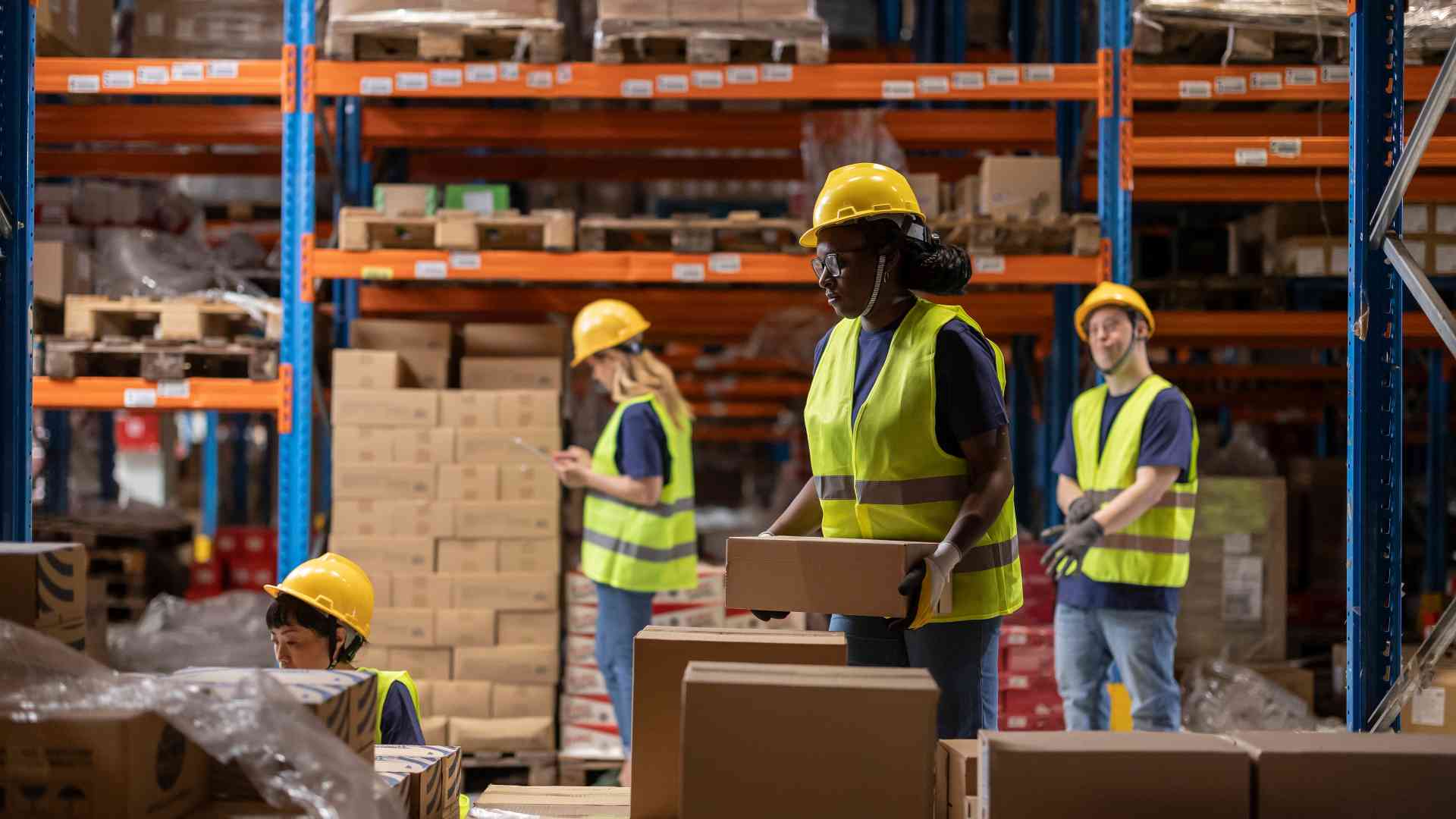
Technology is becoming central to retail adaptation across London. Businesses are investing in systems that improve both operational efficiency and customer experience. AI-driven recommendations, digital loyalty tools, smarter stock management, and faster checkout systems are becoming increasingly common.
Retailers are also using customer data more effectively to personalise communication, improve inventory forecasting, and refine promotional timing. Technology helps businesses operate with greater precision while meeting customer expectations for speed and convenience.
Smaller retailers may face budget limitations, but even modest digital improvements can create measurable competitive advantages.
What Does the Future Hold for London Retail?
London retail businesses are entering a more adaptive, customer-driven era where success depends on responsiveness rather than tradition. Consumer habits will continue evolving as technology advances, economic conditions shift, and expectations become even more demanding.
Retailers that thrive will be those capable of combining convenience with experience, digital efficiency with human service, and commercial strategy with authentic customer understanding.
The retail businesses that survive and grow in London will not necessarily be the largest or the cheapest. More often, they will be the ones that listen closely, adapt quickly, and consistently deliver what modern consumers actually want.
Conclusion
London retail businesses are adapting because consumer expectations have changed permanently. Shopping is no longer a simple in-store transaction; it is a fluid journey across digital and physical touchpoints shaped by convenience, price awareness, trust, and personal values.
Businesses that embrace flexibility, invest in customer experience, and evolve alongside these behavioural shifts will remain competitive in London’s fast-moving retail environment.