

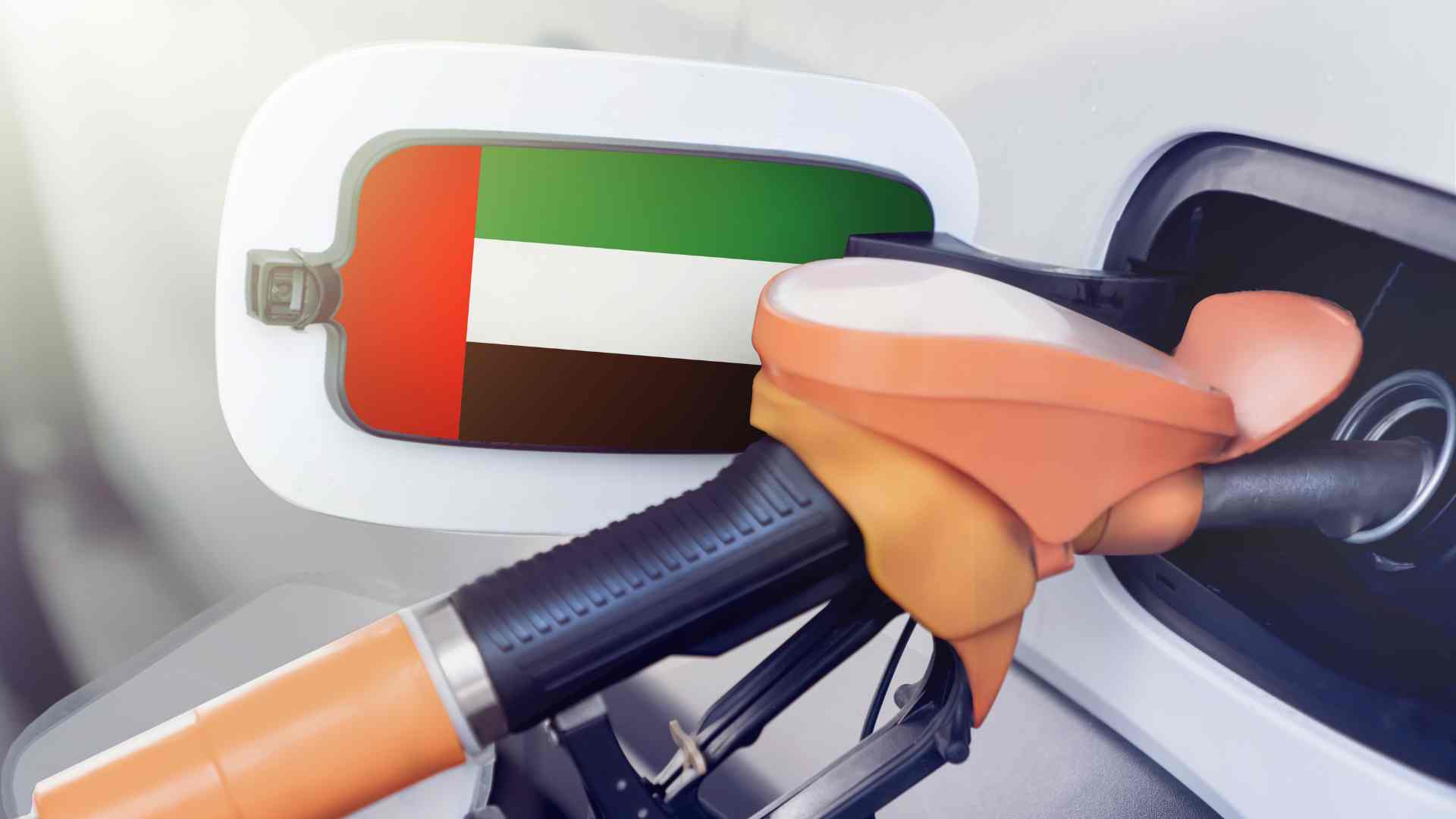
The UAE has become one of the most dynamic economies in the Middle East, moving far beyond its traditional dependence on oil. While energy remains important, the country’s recent growth is increasingly powered by non-oil sectors such as tourism, real estate, finance, manufacturing, logistics, technology, and renewable energy. This shift reflects the UAE’s long-term diversification strategy, strong infrastructure, investor-friendly policies, and growing role as a global business hub.
Recent figures show that the UAE’s non-oil economy continues to play a major role in national growth. In Q1 2025, non-oil activities grew by 5.3%, with manufacturing, finance, construction, real estate, and trade among the leading contributors. The Central Bank of the UAE also reported strong performance across non-hydrocarbon sectors, especially financial services, construction, and manufacturing.
Why Is the UAE Economy Growing So Quickly?
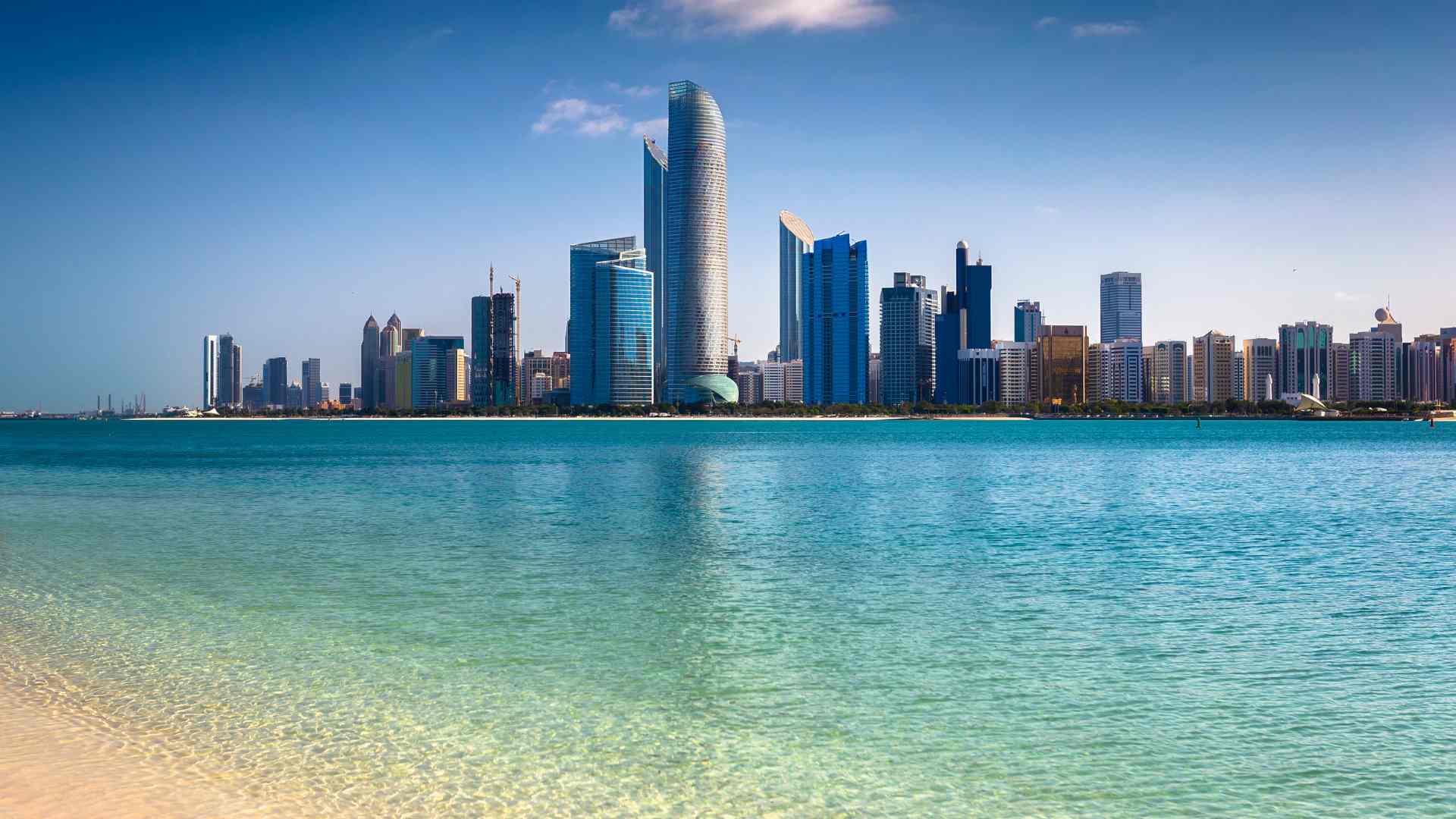
The UAE’s economic growth is driven by a combination of smart government planning, global investment, business-friendly regulation, and world-class infrastructure. Cities such as Dubai and Abu Dhabi have become international centres for trade, finance, tourism, aviation, real estate, and technology.
Another major reason is economic diversification. Instead of relying only on oil revenues, the UAE has invested heavily in sectors that can support long-term growth. Free zones, tax-friendly policies, digital government services, and strong connectivity have made the country attractive to entrepreneurs, multinational companies, investors, and skilled professionals.
Which Sectors Are Driving UAE Economic Growth?
| Sector | Role in UAE Growth | Key Growth Drivers |
|---|---|---|
| Tourism & Hospitality | Supports jobs, spending, and global branding | Luxury travel, events, aviation, hotels |
| Real Estate & Construction | Drives investment and infrastructure expansion | Population growth, foreign buyers, mega projects |
| Finance & Banking | Supports business, trade, and investment | Fintech, wealth management, regional banking |
| Manufacturing | Strengthens non-oil GDP | Industrial strategy, exports, advanced production |
| Trade & Logistics | Connects Asia, Europe, and Africa | Ports, airports, free zones, re-exports |
| Technology & AI | Builds future economic competitiveness | Digital transformation, startups, smart cities |
| Renewable Energy | Supports sustainability and energy transition | Solar projects, green hydrogen, climate goals |
| Healthcare & Education | Expands knowledge-based services | Medical tourism, private education, innovation |
How Is Tourism Helping the UAE Economy?
Tourism is one of the UAE’s strongest non-oil growth engines. Dubai, Abu Dhabi, Sharjah, and Ras Al Khaimah continue to attract international visitors through luxury hotels, shopping festivals, beaches, cultural attractions, business conferences, and major sporting events.
Dubai’s reputation as a global tourism destination has created opportunities across hotels, restaurants, aviation, retail, entertainment, transport, and events. Abu Dhabi is also expanding its cultural tourism appeal through museums, heritage sites, theme parks, and high-end hospitality developments.
Tourism does more than bring visitors. It increases consumer spending, creates employment, supports small businesses, and strengthens the UAE’s international image as a safe and modern destination.
Why Is Real Estate Still a Major Growth Sector?
Real estate remains one of the most visible drivers of UAE economic activity. Strong demand for residential, commercial, hospitality, and mixed-use developments continues to support growth in construction, property services, architecture, interior design, facilities management, and finance.
Dubai’s property market has attracted investors from across the world due to high-quality infrastructure, long-term residency options, attractive rental yields, and lifestyle appeal. Abu Dhabi has also seen steady development in residential communities, cultural districts, business zones, and tourism-focused areas.
Real estate growth is closely linked to population expansion, foreign investment, tourism, and business relocation. As more companies and professionals move to the UAE, demand for housing, offices, retail space, and logistics facilities continues to rise.
How Are Finance and Banking Supporting Business Growth?
Finance and banking are central to the UAE’s role as a regional business hub. The country has a strong banking system, growing fintech ecosystem, and internationally connected financial centres such as Dubai International Financial Centre and Abu Dhabi Global Market.
The finance sector supports economic growth by helping companies access capital, manage payments, expand internationally, and invest in new projects. Wealth management, insurance, Islamic finance, digital banking, and fintech are also growing rapidly.
For entrepreneurs and investors following regional business trends, platforms such as UAE Business Blog can help highlight how different sectors are shaping the country’s commercial landscape.
What Role Does Manufacturing Play in UAE Diversification?
Manufacturing is becoming increasingly important in the UAE’s non-oil economy. According to the UAE Ministry of Economy, manufacturing activities recorded 7.7% growth in Q1 2025, making it one of the strongest performing economic activities during that period.
The sector includes aluminium, petrochemicals, food processing, pharmaceuticals, aerospace components, construction materials, and advanced manufacturing. Government initiatives are encouraging industrial investment, local production, export growth, and the use of automation and smart manufacturing technologies.
Manufacturing helps the UAE reduce import dependence, create skilled jobs, increase exports, and build a stronger industrial base.
Why Are Trade and Logistics So Important to the UAE?
The UAE’s location between Asia, Europe, and Africa makes it a natural trade and logistics hub. Ports such as Jebel Ali and major airports in Dubai and Abu Dhabi support global movement of goods, people, and services.
Free zones have also played a major role in attracting international companies. These zones offer simplified business setup, customs advantages, storage facilities, and access to regional markets. Re-export trade, shipping, warehousing, air cargo, and e-commerce logistics all contribute to economic activity.
The UAE’s non-oil foreign trade has also shown strong momentum, with reports highlighting continued growth in goods trade and exports.
How Is Technology and AI Changing the UAE Economy?
Technology is one of the fastest-growing pillars of the UAE’s future economy. The country is investing in artificial intelligence, blockchain, cybersecurity, cloud computing, smart cities, digital payments, and startup ecosystems.
Dubai and Abu Dhabi have launched several initiatives to attract tech entrepreneurs and global digital companies. AI is being used in government services, healthcare, transport, finance, education, and security. These investments improve productivity and position the UAE as a leader in digital transformation.
The growth of technology also supports other sectors. Real estate uses smart building systems, finance uses fintech platforms, healthcare uses digital records and telemedicine, and logistics uses automation and data analytics.
Are Renewable Energy and Sustainability Becoming Growth Drivers?
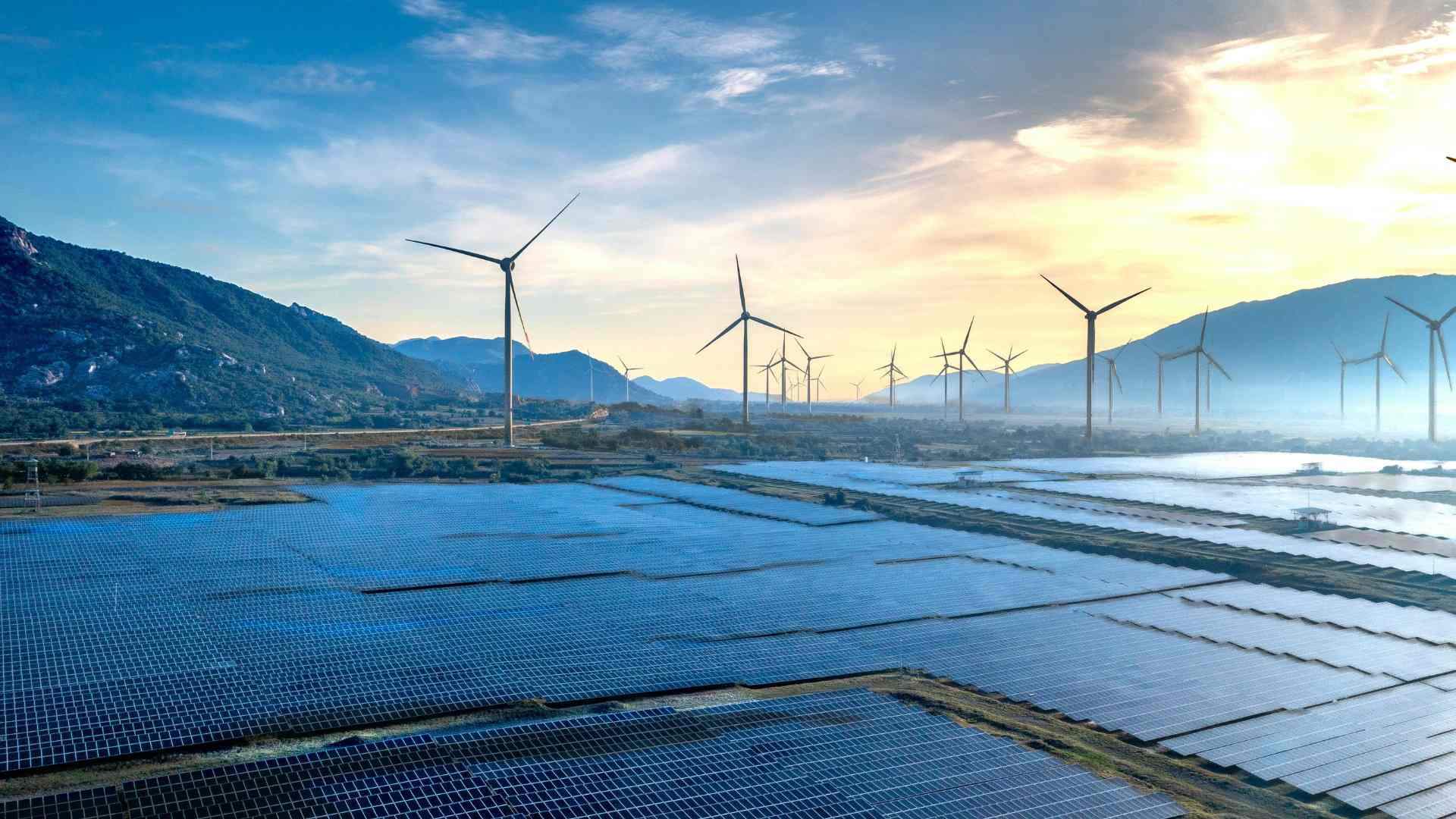
Yes, renewable energy is becoming a major part of the UAE’s long-term economic strategy. The country is investing in solar power, clean energy, green hydrogen, sustainable construction, and climate-focused technologies.
Projects such as large-scale solar parks and clean energy initiatives support the UAE’s goal of reducing emissions while building new industries. Sustainability is also influencing real estate, transport, tourism, and manufacturing.
As global demand for cleaner energy rises, the UAE is positioning itself as both an energy producer and a sustainability innovator.
How Are Healthcare and Education Contributing to Growth?
Healthcare and education are essential parts of the UAE’s knowledge economy. The country has invested heavily in hospitals, specialist clinics, medical research, private universities, international schools, and training centres.
Healthcare growth is supported by population expansion, medical tourism, insurance coverage, and demand for high-quality treatment. Education growth is linked to the UAE’s large expatriate population, professional workforce, and long-term focus on skills development.
These sectors also attract foreign investment and create high-value employment opportunities.
What Is the Future Outlook for the UAE Economy?
The outlook for the UAE remains strong, especially because growth is spread across many sectors rather than depending on one industry. The Central Bank projected continued expansion in 2026, supported by strong non-oil momentum and economic resilience.
The key strength of the UAE economy is balance. Oil and gas still provide stability, but tourism, finance, real estate, manufacturing, logistics, technology, and clean energy are now shaping the country’s next phase of growth.
Conclusion
The UAE’s economic growth is being fueled by a broad mix of powerful sectors. Tourism brings global visitors, real estate attracts investors, finance supports business expansion, manufacturing strengthens exports, logistics connects international markets, and technology prepares the economy for the future.
At the same time, renewable energy, healthcare, education, and sustainability are helping the UAE build a more diversified and resilient economy. This balanced growth model is what makes the UAE one of the most attractive business destinations in the world today.